
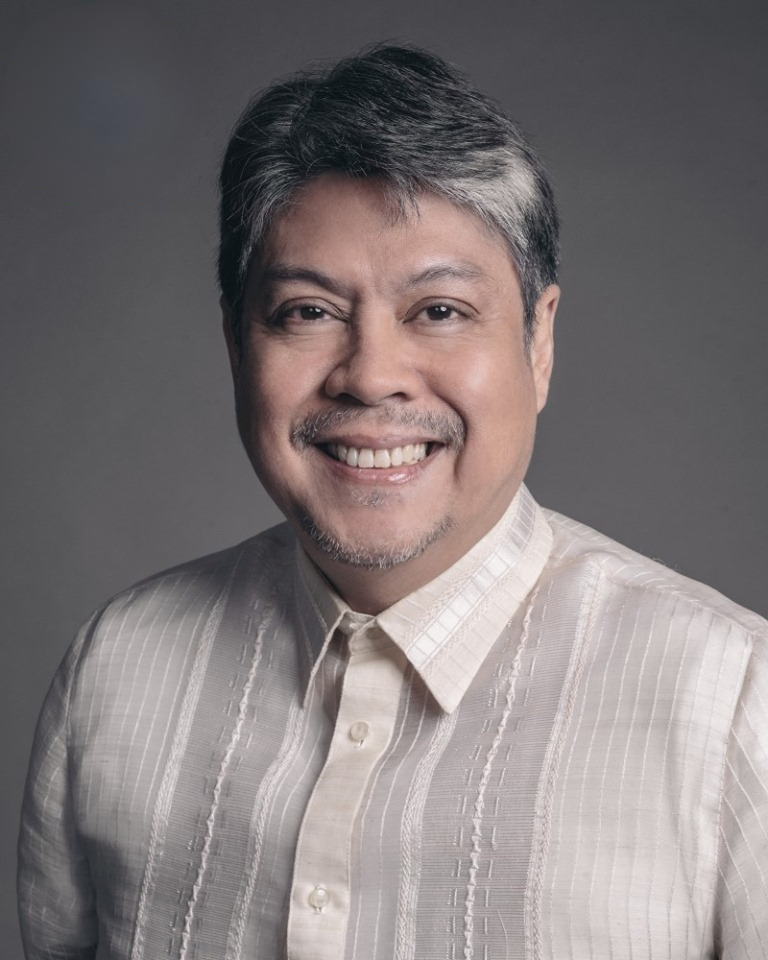


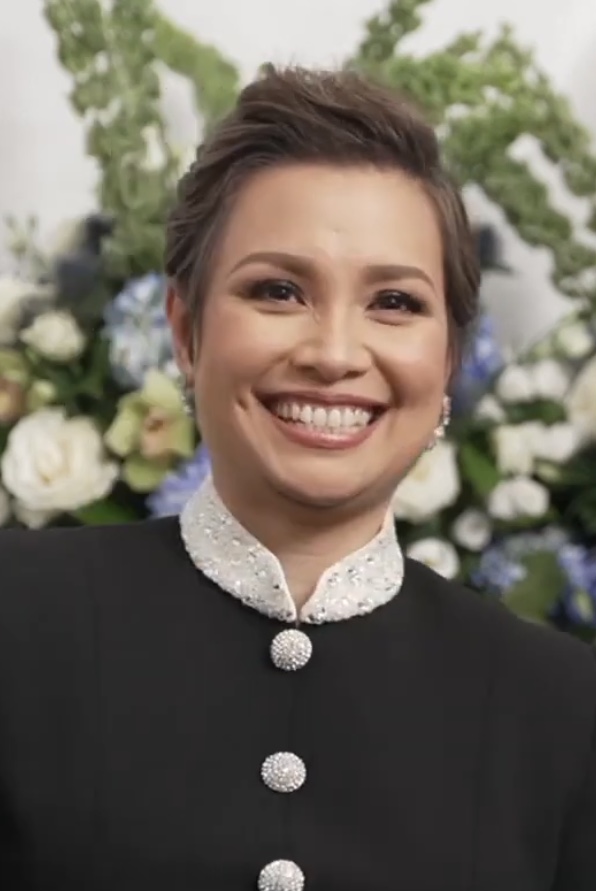

Hugot Lines and the Language of Love and Heartache: Humor with a Twist

Navigating the complex world of love and relationships can be a rollercoaster of emotions. One moment you’re soaring high on cloud nine, and the next, you’re plummeting into the depths of despair. But Filipinos have a unique way of dealing with matters of the heart – with humor and a pinch of pain. Enter the […]
Read More
The Rise of “Meme Culture” in the Philippines: Viral Humor and Social Trends
The Filipino internet landscape has transformed dramatically since the early 2000s, morphing into a vibrant digital ecosystem where memes reign supreme as the ultimate form of cultural expression. What started as simple image macros and funny photos has evolved into a sophisticated form of communication that perfectly captures the Filipino spirit of finding humor in […]
Read More
The Filipino Diaspora and its Impact on Philippine Culture: A Two-Way Exchange
The Filipino diaspora represents one of the most significant global migration phenomena of the modern era, with profound implications for both the Philippines and host countries worldwide. This extensive movement of people has created complex patterns of cultural exchange, economic interdependence, and social transformation that continue to shape Philippine society in the 21st century. The […]
Read More
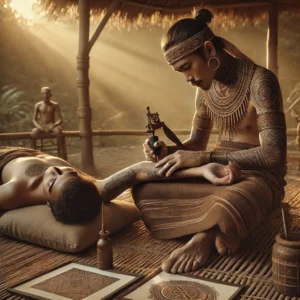
Filipino Tattooing: Reviving Ancient Traditions and Meanings
The practice of traditional Filipino tattooing, known as “batok” or “fatek” depending on the region, represents one of the oldest and most sophisticated forms of skin art in the Pacific. Archaeological evidence, including discovered human remains and historical accounts from Spanish colonizers dating back to the 16th century, indicates that tattooing was deeply embedded in […]
Read More
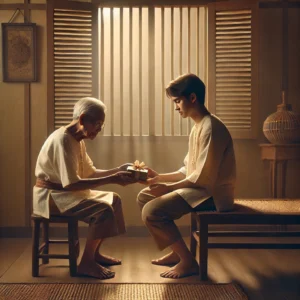
The “Utang na Loob” (Debt of Gratitude): A Blessing or a Burden?
The Filipino concept of “utang na loob” (debt of gratitude) stands as one of the most fundamental values in Philippine society, deeply embedded in the cultural fabric that shapes social relationships, decision-making processes, and moral obligations. This complex social phenomenon transcends simple monetary transactions, encompassing a profound system of reciprocal obligations that can span generations. […]
Read More:%20A%20Blessing%20or%20a%20Burden?)
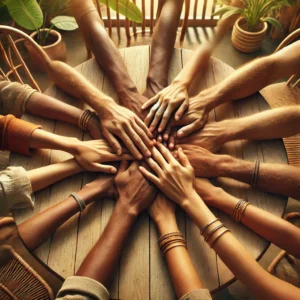
The “Pakikisama” (Getting Along) Culture: Its Benefits and Drawbacks
The Filipino value of “pakikisama” stands as one of the most fundamental aspects of Philippine social dynamics. Derived from the root word “sama” (to accompany or join), pakikisama roughly translates to “getting along” or “companionship” in English. According to social anthropologist F. Landa Jocano’s studies (1997), this cultural value represents more than mere social harmony; […]
Read More%20Culture:%20Its%20Benefits%20and%20Drawbacks)
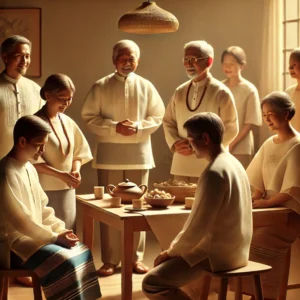
The “Hiya” (Shame) Complex: How it Shapes Filipino Behavior
The concept of “hiya” stands as one of the most fundamental aspects of Filipino psychology and social behavior, deeply embedded in the collective consciousness of the Filipino people. This complex emotional and social construct, often translated as “shame” or “loss of face,” extends far beyond these simple translations, encompassing a sophisticated system of social norms, […]
Read More%20Complex:%20How%20it%20Shapes%20Filipino%20Behavior)

The “Bayanihan” (Community Spirit) in the Digital Age: New Forms of Cooperation
The Filipino concept of “Bayanihan” has long been emblematic of communal unity and mutual assistance, traditionally depicted in the powerful image of villagers literally carrying a neighbor’s house on their shoulders to help them relocate. In contemporary times, this spirit of community cooperation has undergone a remarkable transformation, adapting to the digital landscape while maintaining […]
Read More%20in%20the%20Digital%20Age:%20New%20Forms%20of%20Cooperation)
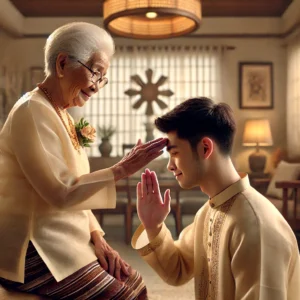
The “Pagmamano” (Showing Respect to Elders)
The Philippines, with its rich tapestry of cultural traditions, holds numerous practices that reflect its deep-rooted values and social norms. Among these traditions, “Pagmamano” stands as one of the most significant and enduring customs that exemplifies Filipino reverence for the elderly. This gesture of respect, which involves taking an elder’s hand and bringing it to […]
Read More)
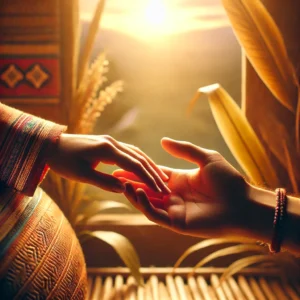
The “Kapwa” (Shared Identity): A Foundation for Social Harmony and Justice
The Filipino concept of “Kapwa” represents one of the most profound and intricate cultural values in Southeast Asian philosophy, extending far beyond simple translation as “fellow being” or “shared identity.” According to renowned Filipino psychologist Virgilio Enriquez, often referred to as the Father of Filipino Psychology, Kapwa embodies the unity of the ‘self’ and ‘others,’ […]
Read More:%20A%20Foundation%20for%20Social%20Harmony%20and%20Justice)