




Filipino Surnames: A Legacy of Colonial Influence

The tapestry of Filipino surnames is a rich and complex one, woven from the threads of the nation’s long history of colonial influence and cultural evolution. These family names serve as a testament to the Philippines’ diverse heritage, reflecting centuries of interaction with Spanish, American, and indigenous cultures. This exploration delves into the origins, patterns, […]
Read More
Linguistic Diversity in the Philippines: Beyond Tagalog
The Philippines, an archipelagic nation comprised of over 7,600 islands, is home to a rich tapestry of languages that reflects its complex history and diverse cultural landscape. While Tagalog, the basis for the national language Filipino, is widely known and used, it represents just one facet of the country’s linguistic heritage. This blog post delves […]
Read More
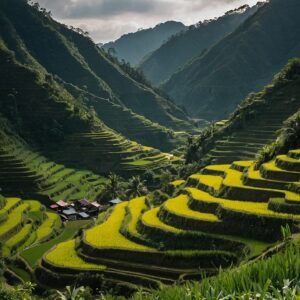
The Banaue Rice Terraces: Ancestral Engineering and Cultural Significance
The Banaue Rice Terraces, often referred to as the “Eighth Wonder of the World,” stand as a testament to the ingenuity and perseverance of the Ifugao people of the Philippines. These magnificent terraces, carved into the mountains of Ifugao province, have been sustaining communities for over two millennia. This blog post delves into the history, […]
Read More
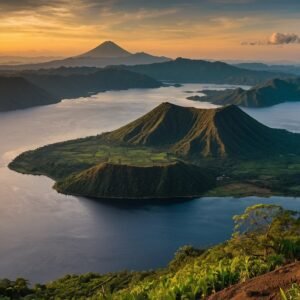
Taal Volcano: A Unique Geological Phenomenon
Taal Volcano, situated on the island of Luzon in the Philippines, stands as one of the world’s most extraordinary and complex geological formations. This fascinating natural wonder has captivated scientists, tourists, and locals alike for centuries due to its unique structure and volatile history. Taal is not merely a single volcano but a complex system […]
Read More

Barong Tagalog and Terno: Traditional Filipino Attire and Its Evolution
The Philippines, an archipelagic nation with a rich cultural heritage, boasts a diverse array of traditional clothing that reflects its complex history and multifaceted identity. Among the most iconic and enduring elements of Filipino national dress are the Barong Tagalog for men and the Terno for women. These garments have not only withstood the test […]
Read More

Karaoke in the Philippines: A Cultural Phenomenon
Karaoke, a form of entertainment where amateur singers perform popular songs over prerecorded instrumental tracks, has become deeply ingrained in Filipino culture. This musical pastime has transcended its origins as a simple leisure activity to become a significant cultural phenomenon in the Philippines. From bustling city streets to remote rural villages, karaoke machines can be […]
Read More

Filipino Politeness: Beyond “Po” and “Opo”
Filipino culture is renowned for its warmth, hospitality, and deep-rooted sense of respect. While many are familiar with the ubiquitous use of “po” and “opo” in Filipino conversations, the concept of politeness in Philippine society extends far beyond these simple linguistic markers. This comprehensive exploration delves into the multifaceted nature of Filipino politeness, examining its […]
Read More

The Jeepney: A Symbol of Filipino Ingenuity and Resourcefulness
The Philippines, an archipelagic nation in Southeast Asia, is known for its rich cultural heritage, stunning landscapes, and warm hospitality. Among its many iconic symbols, one stands out as a testament to Filipino creativity and adaptability: the jeepney. These colorful, often flamboyantly decorated vehicles have become an integral part of Philippine transportation and culture. This […]
Read More
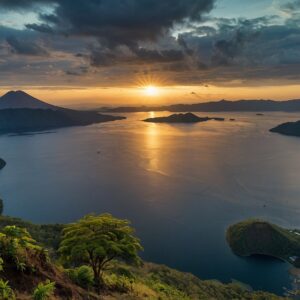
Philippine Geography: Mountains, Volcanoes, and Rivers
The Philippines, an archipelagic nation in Southeast Asia, boasts a diverse and captivating landscape shaped by its unique geological features. This blog post delves into the intricate geography of the Philippines, focusing on its majestic mountains, active volcanoes, and life-sustaining rivers. These natural wonders not only define the country’s topography but also play crucial roles […]
Read More
Philippine Climate: Understanding the Tropical and Monsoon Seasons
The Philippines, an archipelagic nation in Southeast Asia, experiences a unique and diverse climate that is largely influenced by its geographical location and topography. Situated in the western Pacific Ocean, the country’s climate is characterized by high temperatures, high humidity, and abundant rainfall. The Philippine climate is primarily classified as tropical and maritime, with distinct […]
Read More