
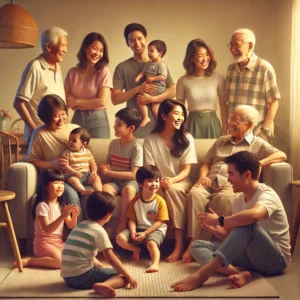
Close Family Ties: Living in Extended Family Households

In an era of rapid societal changes and evolving family dynamics, the concept of extended family households remains a significant aspect of many cultures worldwide. This living arrangement, where multiple generations or close family members reside under one roof, has been a traditional norm for centuries in various societies. Despite the modern trend towards nuclear […]
Read More
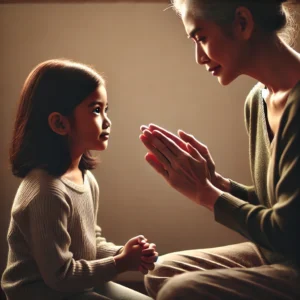
Po and Opo: The Importance of Polite Language in Filipino Culture
In the rich tapestry of Filipino culture, few linguistic elements carry as much weight and significance as the words “po” and “opo.” These small but powerful expressions are deeply ingrained in the Filipino language and social interactions, serving as pillars of respect, politeness, and cultural identity. This comprehensive exploration delves into the origins, usage, and […]
Read More
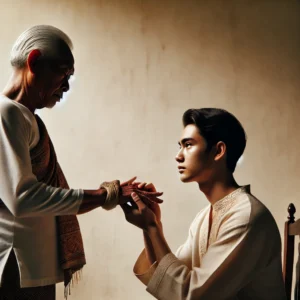
Mano Po: The Traditional Gesture of Respect
Mano Po, a traditional Filipino gesture of respect, has been an integral part of Philippine culture for centuries. This deeply ingrained custom involves a younger person taking the hand of an elder and gently pressing it to their forehead. The practice, which translates to “your hand, please” in English, is a powerful symbol of reverence, […]
Read More

Lakas ng Loob: Inner Strength and Resilience
Lakas ng Loob, a Filipino phrase that translates to “inner strength” or “strength of will,” is a powerful concept deeply rooted in Philippine culture and psychology. This notion encompasses resilience, courage, and determination in the face of adversity. In today’s fast-paced and often challenging world, understanding and cultivating Lakas ng Loob can be a valuable […]
Read More

Pamilya: The Central Role of Family in Filipino Life
The concept of family, or “pamilya” in Filipino, stands as a cornerstone of Philippine society, deeply ingrained in the cultural fabric of the nation. This blog post explores the multifaceted aspects of family life in the Philippines, examining its historical roots, contemporary manifestations, and the challenges it faces in the modern era. By delving into […]
Read More

Paggalang: Respect for Elders and Authority
Paggalang, a fundamental concept in Filipino culture, embodies the deep-rooted tradition of showing respect for elders and authority figures. This cultural value is not merely a social convention but a cornerstone of Filipino society that shapes interpersonal relationships, family dynamics, and even professional interactions. Paggalang extends beyond simple politeness; it is a complex system of […]
Read More

Palabra de Honor: The Importance of Keeping One’s Word
In an era where trust seems increasingly scarce, the concept of “palabra de honor” stands as a beacon of integrity and reliability. This Spanish phrase, which translates to “word of honor” in English, encapsulates a profound commitment to truthfulness and the fulfillment of promises. The importance of keeping one’s word extends far beyond mere social […]
Read More
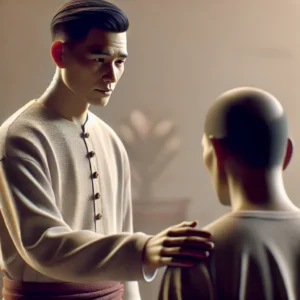
Delicadeza: The Filipino Value of Tact and Sensitivity
Delicadeza is a fundamental Filipino cultural value that embodies tact, sensitivity, and propriety in social interactions and personal conduct. This concept, deeply ingrained in Philippine society, plays a crucial role in shaping interpersonal relationships, business practices, and even political behavior. Delicadeza goes beyond mere politeness; it encompasses a nuanced understanding of social norms, respect for […]
Read More
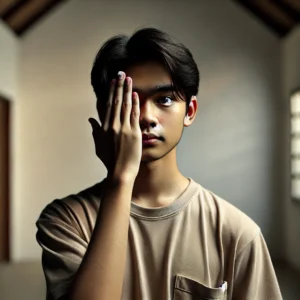
Hiya: Understanding the Filipino Sense of Shame and Propriety
In the rich tapestry of Filipino culture, one concept stands out as a fundamental pillar of social interaction and personal conduct: “hiya.” This deeply ingrained cultural value, often translated as “shame” or “propriety,” plays a crucial role in shaping Filipino behavior, relationships, and societal norms. Understanding hiya is essential for anyone seeking to comprehend the […]
Read More
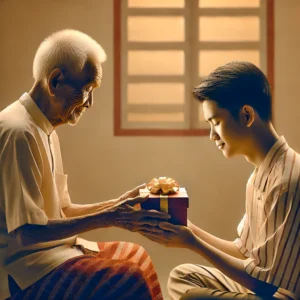
Utang na Loob: Reciprocity and the Debt of Gratitude
Utang na loob, a Filipino cultural concept that translates to “debt of gratitude” or “inner debt,” is a fundamental principle that shapes social interactions and relationships in Philippine society. This deeply ingrained value system goes beyond mere reciprocity, encompassing a complex web of obligations, expectations, and moral responsibilities. In this comprehensive exploration, we will delve […]
Read More